Growing up in the Baltics often meant your family wasn’t particularly wealthy. I grew up in a modest two-bedroom flat, and I would say our income was very average. Since I lived with my grandparents for much of my childhood, my grandmother always had practical advice on how to live well, spend wisely, and avoid unnecessary purchases.
Even today, I catch myself following many of those same habits. I also notice friends and family across the Baltic countries doing exactly the same. Not because we enjoy living in the past, but because these simple habits still work. They save money, reduce waste, and somehow make everyday life feel a little calmer.
1. Cook at Home
I work in a corporate office, so it’s incredibly easy to buy lunch every day and then convince myself I’m too tired to cook dinner in the evening. But growing up, home-cooked meals were simply part of everyday life.
Looking back, I realise this habit has saved me far more than just money. Preparing meals at home helps me eat healthier, appreciate good ingredients, and makes eating out feel like a genuine treat instead of an everyday expense.
These days, I still prepare meals for work whenever I can. It saves a noticeable amount each month, but more importantly, it reminds me that good food doesn’t have to be expensive.
🌿 What I learned: Cooking at home isn’t just about saving money—it’s about taking care of yourself and the people around you.
2. Buy Less, Choose Better
As I mentioned in my article How to Look Elegant Without Spending a Fortune, quality will always win over quantity.
You don’t need a brand-new outfit every week. Instead, focus on building a timeless capsule wardrobe made from quality materials such as wool, linen and cotton. These pieces last longer, look better and are often more comfortable to wear.
Second-hand shopping has become one of my favourite ways to do this. Rather than buying several cheaper items, I’d much rather invest in one beautiful piece that will last for years.
🌿 What I learned: Owning fewer things often helps you appreciate them much more.
Never Shop Without a Plan
Never go grocery shopping when you’re hungry – and never go shopping without a plan.
Whether you’re buying food, clothes or household items, walking into a shop without knowing what you need usually results in buying things you didn’t intend to.
Every week I prepare a simple meal plan before writing my shopping list. I purposely keep my meals easy because I know busy weeks don’t need complicated recipes. Most of the time I rely on simple family recipes that are affordable, filling and made with ingredients I already have at home.
🌿 What I learned: Planning ahead saves both money and unnecessary stress.
Go to my Recipes page to get inspired for home-cooked recipes left by my grandmother.
4. Repair Before You Replace
Long before sustainability became fashionable, our grandparents were already living it.
Instead of replacing something at the first sign of damage, they repaired it. Clothes, shoes, furniture, cookware – you name it.
Let’s be honest, we’ve all thrown away white T-shirts or socks because they no longer looked fresh. Yet a simple bottle of bleach costing just over one euro can often make white clothes look almost new again.
My grandmother always carried a small sewing kit in her handbag, and she kept every spare button from new clothes in an old cookie tin. If a button came off years later, she always had the perfect replacement.
My mum still has the same mindset. A few years ago, the zip on my favourite Rains backpack broke after three years of daily use. I was ready to throw it away, but she insisted we take it to a local repair shop. The repair cost just €8, saving me around €70 compared with buying a new backpack.
🌿 What I learned: Taking care of what you own almost always costs less than replacing it.
5. Freeze Your Leftovers
One thing I clearly remember from childhood is opening our freezer and finding absolutely everything inside—from frozen dill picked the previous summer to leftover cheese and homemade soups.
At the time I thought it was funny. Now I realise it was incredibly practical.
Many foods freeze beautifully, even bread. If you’re going away for a few days and have leftovers in your fridge, freezing them is often much better than throwing perfectly good food away.
I also love batch cooking. One of my favourite white wine pasta sauces, taught to me by an Italian friend, takes quite a while to prepare, so I always make a large batch and freeze portions for busy evenings.
It’s convenient, reduces food waste and saves money.
🌿 What I learned: Wasting less food is one of the easiest ways to spend less without feeling like you’re sacrificing anything.
6. Invest in Skills Instead of Stuff
One of the best pieces of advice I have ever received came from my mother and grandmother.
A few years ago, I told them I wanted a new hobby—something that would bring me joy and help me grow as a person.
Their answer surprised me.
Instead of buying more things, they encouraged me to invest my time in learning useful skills.
Cooking.
Baking.
Gardening.
Sewing.
Anything that could enrich my life and potentially create opportunities in the future.
I don’t claim to be a professional baker, but after years of practice I’ve perfected what I honestly believe is an amazing cinnamon roll recipe. Bringing homemade baking into the office always puts a smile on my colleagues’ faces, and that’s incredibly rewarding.
If you enjoy gardening, even growing herbs like basil or dill on your windowsill can save money while making your meals taste better. If you have a balcony or garden, growing tomatoes, lettuce or herbs is both relaxing and surprisingly satisfying.
And let’s be honest – vegetables grown at home always taste better.
🌿 What I learned: Skills stay with you for life, while possessions eventually wear out.
7. Create Beauty with Simple Things
When I think back to my childhood home, I don’t remember expensive furniture or designer decorations.
I remember how welcoming everything felt.
Fresh flowers picked from the garden.
A clean table with Latvian sweets ready for afternoon tea.
Candles glowing on dark winter evenings.
My grandmother taught me that beauty isn’t something you buy – it’s something you create through care and intention.
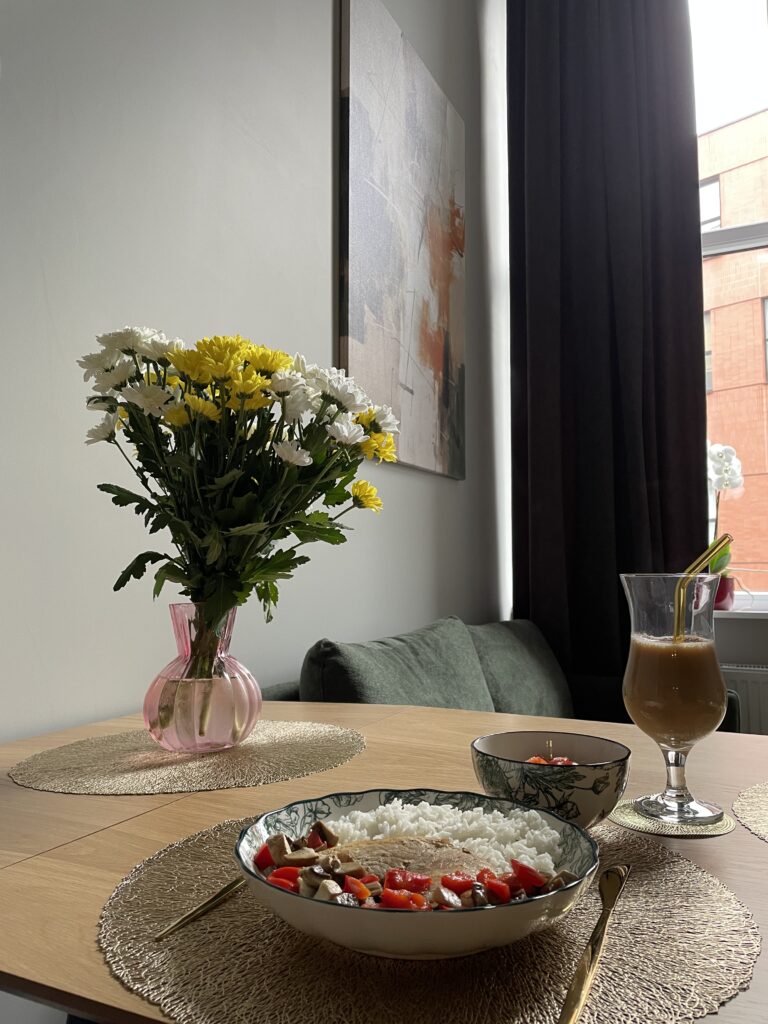
Even today, I try to follow the same philosophy. A tidy home, a simple bouquet from the supermarket (or even wildflowers picked during a walk), neatly folded blankets and a beautifully set table for an ordinary weekday dinner can completely change the atmosphere of a home.
Creating a beautiful life doesn’t have to cost more.
Often, it simply means paying attention to the small details that make everyday moments feel special.
Below I’ve included one of my favourite photographs that perfectly captures this feeling. It reminds me that you don’t need expensive things to make life feel warm, meaningful and beautiful.
🌿 What I learned: Beauty isn’t measured by how much you own, but by how much care you put into everyday life.
These are just a few of the lessons my grandparents passed on to me, and I still find myself following them every day. They have helped me save money, waste less, and appreciate the simple things that often bring the most happiness.
SimpleWaysLiving is more than just a website. It’s my way of sharing the practical wisdom I grew up with in the Baltics—through recipes, timeless style, and everyday habits that prove living well doesn’t have to mean spending more.
I hope some of these ideas inspire you to create your own beautiful life, one simple habit at a time.
Leave a Reply